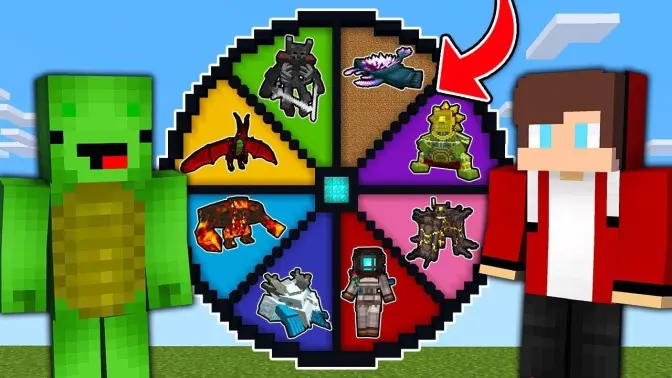
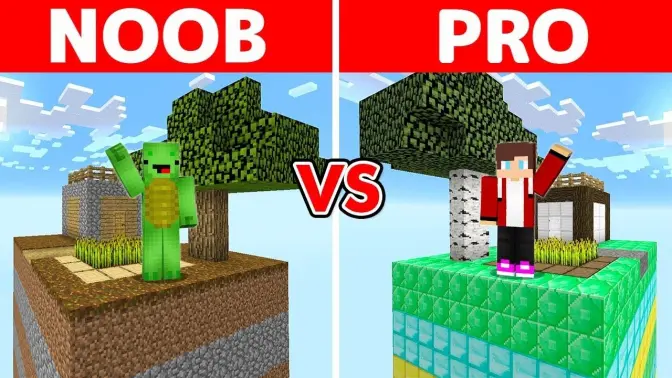
English learning in the sandbox metaverse. Kids don't sit through lessons — they mine, build and escape their way into the language, one quest at a time.

*Roughly 15% of Southeast Asia's game-based kids English content market (company data). DepEd = a textbook order from the Philippine Department of Education, a system serving ~24.9 million learners.
Every episode passes through the same five-layer content model — so attention becomes learning, and learning compounds into lasting IP assets.
If a kid wouldn't click it on their own, it doesn't ship — titles, thumbnails and quests compete with entertainment, not homework.
Every word is born inside a gameplay scene, because meaning that arrives with context is meaning that sticks.
A fixed takeaway per episode — 5–8 core words, 2–3 sentence patterns, one read-along dialogue — so progress is measurable, not vibes.
One episode becomes many assets: flashcards, sentence banks and course catalogs, produced once and reused everywhere.
Characters and worlds carry the curriculum forward — content stops being a one-off video and becomes a durable franchise.
This is what the Reuse layer looks like in your hands: every episode's words and scenes are reborn as flashcards, sticker packs and plush companions — same characters, same art, from screen to shelf.
Kids follow JJ & Mikey through a quest — 5–8 core words appear inside the story.
The episode's vocabulary is reborn as flashcards — same scenes, same characters.
Die-cut packs turn story moments into rewards kids collect and trade.
Plush JJ & Mikey carry the learning bond beyond the screen.
Product concepts from the KidsFan × Maizen kit — built under the exclusive all-rights China license.
In a cave escape, "torch" isn't vocabulary — it's survival. Language serves the quest, and the quest makes the language unforgettable.
JJIt's too dark. We need a torch!
MikeyLet's mine here — I can see a diamond!
JJGrab it and build the stairs. Time to escape!
One repeatable mini-dialogue per episode — short enough to read along, real enough to remember.

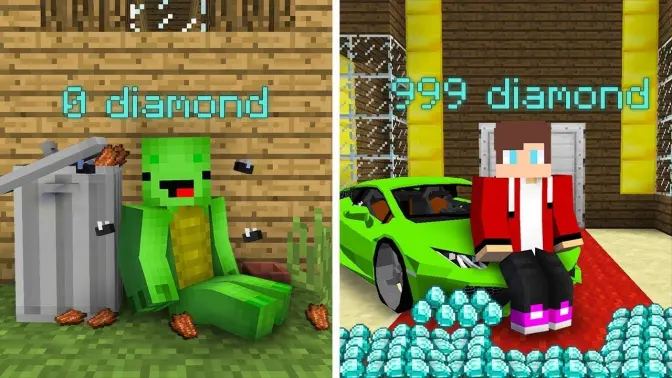
KidsFan holds the exclusive all-rights China license for Maizen (17.3M+ subscribers): JJ (杰杰, the red hoodie) and Mikey (麦琪, the green turtle) appear both as their blocky Minecraft originals and in the official 2D character system.
A kawaii 2D look designed for books, flashcards, merchandise and classroom materials — fully licensed for adaptation and derivative works in China.
The in-game forms kids know from 17.3M+ subscriber Maizen episodes — the faces that make every lesson feel like play.

KidsFan's own learning buddy Spark — a curious little star — walks kids through each episode's takeaways, the friendly thread that ties the whole curriculum together.
The curriculum design is developed with pedagogy research support from Hunan Normal University — vocabulary load, sentence-pattern progression and read-along design are grounded in research, not guesswork.
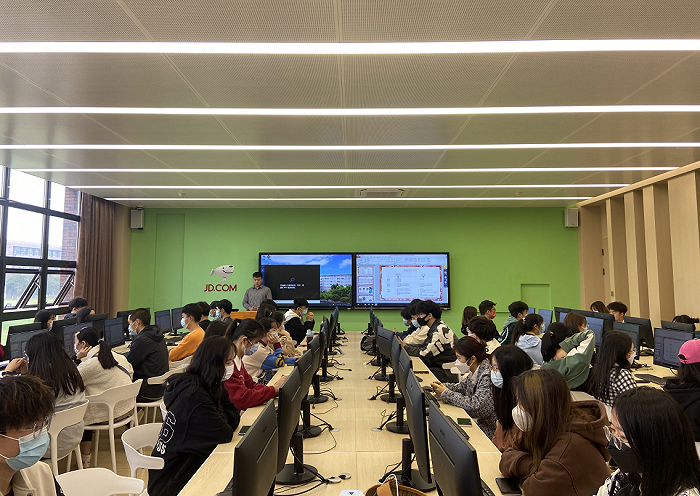
Beyond screens, the blueprint runs as in-school courses — structured classroom programs that carry the same five-layer model into real timetables.
A China–Philippines "front shop, back factory" pipeline: curriculum design and IP in China, high-volume localized production in the Philippines — built for Southeast Asian scale.
Minecraft English (我的世界学英语) is KidsFan's game-based English learning blueprint. Episodes are built inside sandbox gameplay that kids already love, so language grows out of the quest instead of being forced into a lesson. Each episode delivers 5–8 core words, 2–3 sentence patterns and one repeatable mini-dialogue.
No. Minecraft is a trademark of Microsoft/Mojang. KidsFan references the game nominatively only — to describe the sandbox environment the learning content is set in — and implies no affiliation with, or endorsement by, Microsoft or Mojang.
By 2026 the blueprint holds roughly 15% of Southeast Asia's game-based kids English content market (company data) and has earned a textbook order from the Philippine Department of Education (DepEd), a system serving ~24.9 million learners.
Every episode is engineered around a fixed takeaway: 5–8 core words, 2–3 sentence patterns, and one short read-along dialogue the child can repeat. Words are always anchored to the scene they appear in — mine, torch, diamond, build, escape — so meaning comes from context, not a word list.
KidsFan's Education Division delivers in-school courses built on the same five-layer model, with pedagogy research support from Hunan Normal University. Schools and education partners can contact [email protected] to discuss curriculum licensing and classroom programs.
Schools, publishers, platforms and distributors — the blueprint proven in Southeast Asia is ready for your market. Bring the curriculum in, or help take it further out.